
Marijuana Facts


How does marijuana affect the brain?
Marijuana has both short-and long-term effects on the brain.
Short-Term Effects
When a person smokes marijuana, THC quickly passes from the lungs into the bloodstream. The blood carries the chemical to the brain and other organs throughout the body. The body absorbs THC more slowly when the person eats or drinks it. In that case, they generally feel the effects after 30 minutes to 1 hour.
THC acts on specific brain cell receptors that ordinarily react to natural THC-like chemicals. These natural chemicals play a role in normal brain development and function.
Marijuana over activates parts of the brain that contain the highest number of these receptors. This causes the “high” that people feel. Other effects include:
- impaired body movement
- difficulty with thinking and problem-solving
- impaired memory
- hallucinations (when taken in high doses)
- delusions (when taken in high doses)
- altered senses
- altered sense of time
- changes in mood
- psychosis (risk is highest with regular use)
Did you know…
- When surveyed, most teens have not used marijuana in the past month.
- Some think marijuana is okay to use because it’s “natural.” But not all natural plants are good for you—take tobacco, for example.
- Some teens believe marijuana can’t be that harmful if states are legalizing it. Legal or not, one real risk is addiction.
- Research also shows that marijuana can harm the developing teen brain.
Our goal is to give you the straight facts so you can make smart choices and be your best self. We hope you will continue the conversation and share this information with your friends, parents, teachers, and others.
Nora D. Volkow, M.D.
Director
National Institute on Drug Abuse
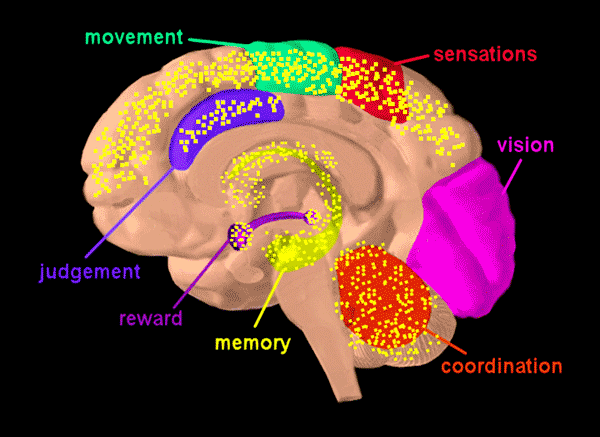
THC acts on numerous areas in the brain (in yellow).